Project planningKashmir28 September 20266 min read
Keeping hotel guests warm through Chillai Kalan
A practical guide for hotels and guest houses in Gulmarg, Pahalgam, Sonamarg and Srinagar on warmer rooms, reliable hot water and lower winter heating costs.
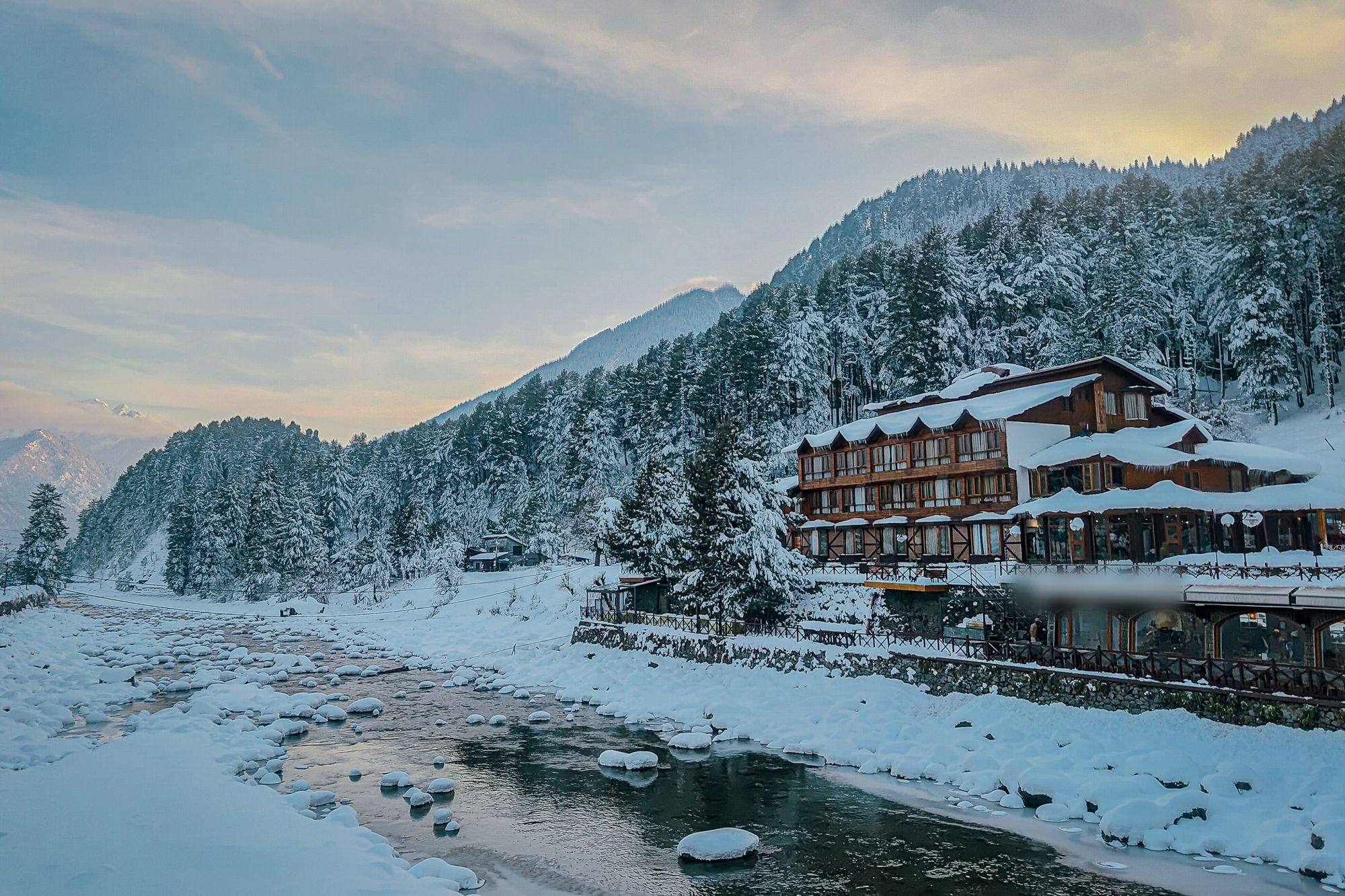
Winter is the season many Kashmir hotels are built around. Guests come for the snow, and they expect to come back to a warm room, a hot shower and a quiet night. When a room is cold, they say so in their reviews.
Here is how to think about a winter upgrade, in the order that gives the best return.
Start with where the heat goes
Most hotel rooms lose heat in the same places: large windows, the outside wall, the roof on top floors and the floor above an unheated ground level. Corner rooms and top-floor rooms are usually the coldest.
A room-by-room heat-loss survey shows which rooms lose the most and why. It also tells you how much heating each room really needs, which is the starting point for anything else.
Fix the envelope where it matters most
You don’t have to do the whole building at once. Prioritise:
- Windows in the coldest rooms, fitted airtight
- Roof insulation above top-floor rooms
- Draught-proofing around doors, windows and service openings
These upgrades also reduce the condensation and mould that mean repainting every spring.
Heat rooms quietly, and only when they are used
Underfloor heating suits hotel rooms well. It is silent, it leaves the walls free, there is nothing for guests to touch or move, and the bathroom floor is warm. With a thermostat per room, empty rooms can be held at a lower temperature and warmed before guests arrive.
For larger properties, hydronic underfloor heating with a cold-climate heat pump can be the most efficient option. Smaller guest houses often start with electric floor heating in bathrooms and the coldest rooms.
Keep the water flowing
Frozen pipes during the coldest week are the worst possible guest experience. Supply and hot-water pipes should run inside the heated envelope wherever possible, and be insulated wherever they can’t. Hot-water capacity should be sized for the morning peak, when every guest showers at once.
Plan the work around your season
Most upgrades can be phased floor by floor or wing by wing and scheduled for quieter months. The best time to plan is the spring and summer before the winter you want to be ready for.
This is general guidance. Every property is different: a survey tells you what yours needs.