HeatingKashmir10 October 20265 min read
Do heat pumps work in Kashmir winters? Ask for cold-weather data.
Assess a heat pump for Kashmir using low-temperature capacity, efficiency, heating-water needs, defrost, backup arrangements and local installation details.
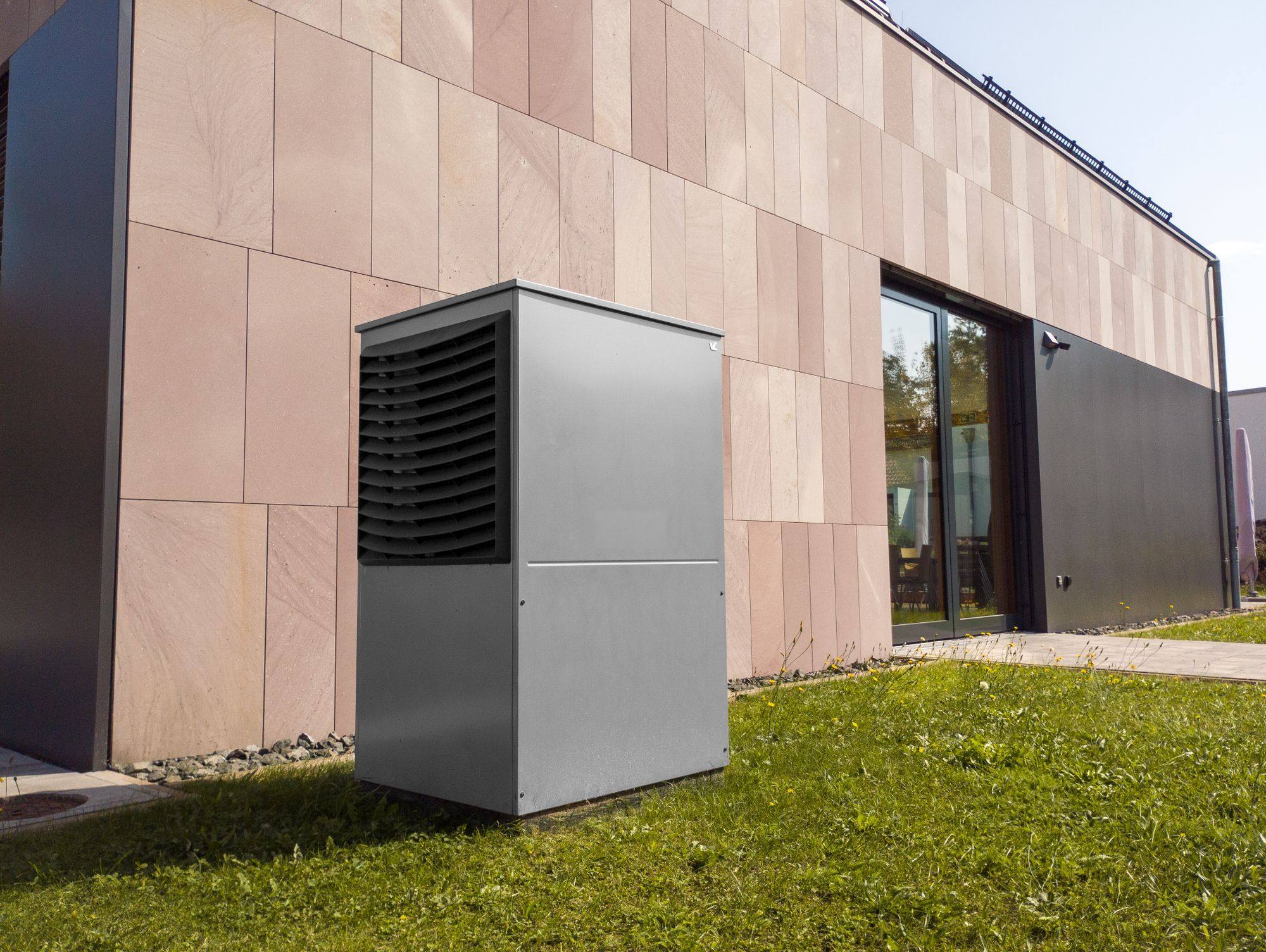
A heat pump can be a viable cold-weather heating option, but the specific model must deliver the building’s required heat at the local design conditions. “Works in winter” is too vague to make a purchase decision. Operating temperature range, available heating capacity and efficiency are different questions.
In Kashmir, the useful comparison begins with the property: its exposure, insulation, room temperatures, heating system and electricity supply. Only then should a particular unit and backup arrangement be selected.
Distinguish the types of heat pump
An air-to-air heat pump delivers heat through indoor air units. An air-to-water heat pump heats water for compatible floor circuits, radiators or other emitters. A heat-pump water heater serves domestic hot water and should not be assumed to provide space heating.
That distinction matters when comparing brochures. A performance figure for one type, water temperature or operating condition does not establish the result for another system.
The US Department of Energy’s Energy Saver guide describes the principle: a heat pump moves heat rather than producing all of it through electrical resistance. The suitability of a Kashmir installation still needs model-specific data and a building calculation.
Calculate the heat demand before selecting capacity
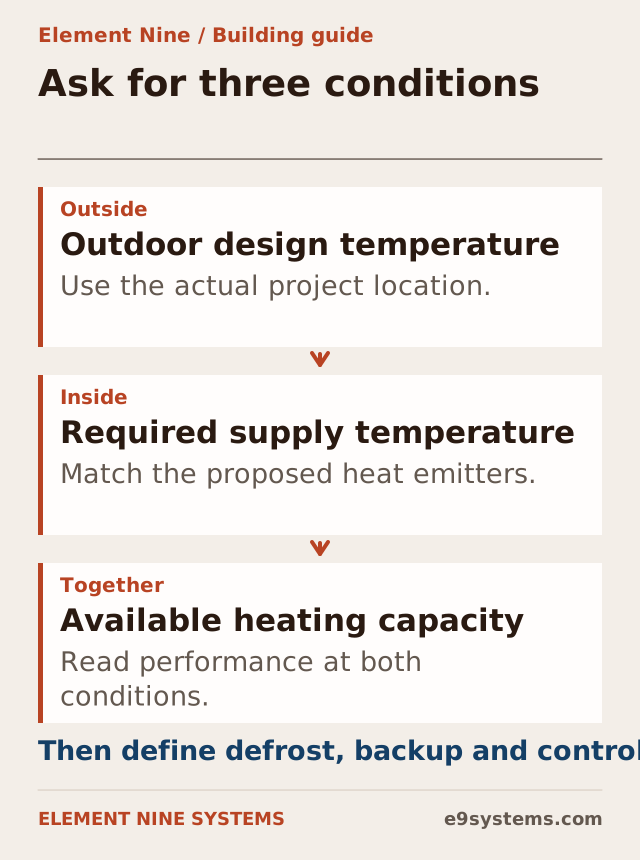
Ask for room-by-room heat loss using the agreed indoor temperatures and a justified local outdoor design condition. The calculation should reflect walls, roof, floors, windows, air leakage and planned ventilation.
Do not use the capacity of the old heater as the sole sizing method. It may have been oversized, may never have heated the whole property, or may describe fuel input rather than delivered heat. Planned insulation and window work should be included in the agreed design condition.
The DOE cold-climate heat-pump sizing training focuses on matching the load and equipment performance. Ask your supplier to show that match, rather than offering a larger unit without explanation.
Request the low-temperature performance table
The proposal should identify the exact unit and provide performance at the temperatures relevant to the site. For an air-to-water system, include the required leaving-water temperature as well as the outdoor temperature.
| Figure in a brochure | What to ask |
|---|---|
| Nominal heating capacity | At which outdoor and output conditions was it measured? |
| Minimum operating temperature | How much useful heat is available at the required design condition? |
| COP | Is this a single test point or a result representative of your use? |
| Seasonal efficiency | Which climate, test method and system boundary does it represent? |
| Maximum water temperature | What capacity and efficiency are available when operating there? |
COP is the ratio of delivered heat to electrical input at stated conditions. A headline COP at a mild outdoor temperature is not a guaranteed Kashmir winter average. Capacity can also change with conditions; a unit being able to run does not prove it covers the full demand.
Check compatibility with the heat emitters
A water-based floor system, an existing radiator system and a fan-coil system can require different operating water temperatures. Ask whether the proposed emitters deliver the required room output at the heat pump’s design water temperature.
If the existing radiators need changes, price them in the same proposal. If underfloor heating is proposed, check available floor area, finish resistance and floor-temperature limits. Our underfloor-heating quotation guide covers those interfaces.
The aim is a complete heating design. A heat pump should not be sold independently of the equipment receiving its heat.
Plan the outdoor installation for winter
Discuss airflow clearances, a suitable base, snow accumulation, service access and where defrost water can drain without creating an unwanted icy area. Ask how the manufacturer’s installation requirements are applied to the actual location.
Consider noise and the position of bedrooms and neighbouring openings. The quietest brochure setting may not represent full winter operation. Access should remain possible when maintenance is needed, rather than only during the installation season.
For water circuits exposed to freezing conditions, ask the designer to specify the protection strategy, including what happens during loss of power. This is an installation-design question, not a reason to add an unspecified antifreeze product yourself.
Define backup, power and operation
Identify the electrical supply required and the work needed to provide it. Ask whether the heat pump includes an auxiliary heater, when it operates, and how its consumption is represented in the running-cost estimate.
Where outages occur, agree how occupants and the building remain protected. Backup heat, water-system freeze protection and controls need coordinated decisions. A heat pump requires electricity; changing heating technology does not remove that dependency.
Request commissioning records, initial settings and an explanation of normal operation. Include local service arrangements, replacement parts and responsibility for both the unit and the distribution system.
Does a low operating-temperature rating prove it suits Gulmarg or Pahalgam?
No. It is one piece of information. The site’s design condition, heat loss, required output temperature and available capacity must be compared together. Do not use a town name as a substitute for design assumptions.
Will it always cost less than direct electric heating?
The result depends on actual seasonal performance, tariffs, auxiliary use and the heat required. Our running-cost guide shows how to compare an explicit scenario without promising a fixed bill.
Prepare a building brief for the equipment discussion
Send the location, plans, insulation and glazing information, room use, existing heating, hot-water needs and electrical supply details. Element Nine Systems can discuss heat pumps as part of the building’s heating and envelope design, rather than as a standalone equipment purchase.